Tata Sierra EV Launch Set For Q2 FY27: What We Know So Far


The Tata Sierra EV is now expected to go on sale in the second quarter of FY27, which means the July to September 2026 period. Earlier reports had pointed to a launch around the middle of calendar year 2026, but the latest update places the electric Sierra in the next quarter of Tata Motors’ product rollout.

The Sierra EV will sit below the Harrier EV and above the Curvv EV in Tata’s electric SUV range. That places it in a price and size band where buyers already have options such as the Hyundai Creta Electric, Mahindra BE 6, MG ZS EV and the Maruti e Vitara.
The SUV will be produced at Tata’s Sanand plant in Gujarat. This facility already has a role in Tata’s electric vehicle production plan and will also build the petrol and diesel Sierra. That makes the Sierra one of Tata’s important nameplates across both combustion-engine and electric powertrains.
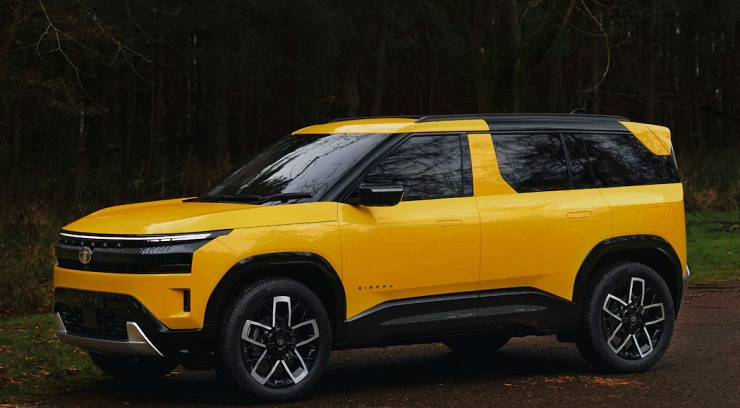
The Sierra EV is expected to fill the gap between the Curvv EV and Harrier EV. That is a logical position for Tata because the Curvv EV is more coupe-SUV in shape, while the Harrier EV sits higher in size, price and positioning.
The Sierra gives Tata a more conventional mid-size SUV body style, but with a design identity that is different from the Curvv and Harrier. The production version of the ICE Sierra has already shown the broad design direction. The EV is expected to use the same basic shape, with EV-specific changes such as a closed front section and revised bumper treatment.
The original Sierra name gives the car recognition, but that alone will not decide its success. In this segment, buyers will compare range, features, warranty, charging speed, cabin space and price before getting swayed by badge nostalgia.
The Sierra EV is expected to be based on Tata’s acti.ev+ architecture. This is the same broader electric platform family that supports Tata’s newer EVs and allows different drivetrain layouts.

Tata has already confirmed that the Sierra EV will be offered with both rear-wheel-drive and all-wheel-drive configurations. This is significant because most mainstream electric SUVs in this price range are still front-wheel-drive or single-motor models.
The Harrier EV uses rear-wheel drive and all-wheel drive options, and the Sierra EV is expected to follow a similar direction. Standard variants are likely to use a single-motor setup, while higher variants are expected to get dual motors and AWD.
This should help Tata position the Sierra EV above the Curvv EV while keeping enough distance from the Harrier EV.
Tata has not officially revealed the Sierra EV’s battery pack options yet. Current reports suggest that it could use a 55kWh battery pack from the Curvv EV range and a 65kWh pack linked to the Harrier EV.
If this happens, the Sierra EV’s larger battery version should offer a claimed range somewhere around the 500km mark, depending on final tuning, weight and tyre size. The final certified range will be important because the segment is now far more competitive than it was when Tata launched its early EVs.
The Hyundai Creta Electric offers a familiar SUV package with a strong retail network. The Mahindra BE 6 offers a more radical EV-first design and higher-end variants. The Maruti e Vitara brings Maruti’s reach and relatively aggressive pricing. The Sierra EV will have to sit clearly between value and premium to avoid getting squeezed.

The Sierra EV is expected to share much of its cabin layout with the ICE Sierra, especially on higher variants. That means a digital instrument cluster, a large central touchscreen and a passenger-side display are likely.
The three-screen layout has become a visible part of Tata’s new SUV cabins. It gives the Sierra a more premium dashboard appearance, though the usefulness of the passenger screen will depend on the software and content support Tata offers at launch.
Other expected features include a panoramic sunroof, ventilated front seats, connected-car tech, multiple drive modes and a premium audio system. These features are now common in the upper trims of mid-size SUVs, so the Sierra EV will need to offer them without pushing the price too close to the Harrier EV.
The Sierra EV is expected to offer advanced driver assistance features on higher variants. Tata already offers ADAS on several newer models, and the Sierra EV is likely to get features such as autonomous emergency braking, lane keep assist, adaptive cruise control and driver attention warning.
Vehicle-to-Load capability may also be offered. This allows the car’s battery to power external devices. It is not a feature every buyer will use daily, but it has become a useful talking point for EVs, especially for camping, outdoor use or emergency power needs.
Tata will have to make sure these features are supported by a strong user experience. In a high-priced EV, buyers will expect the software, screens, connected functions and ADAS calibration to feel polished from day one.
Pricing will be the biggest factor. The Curvv EV currently starts in the high teens and goes past Rs 20 lakh, while the Harrier EV begins above Rs 21 lakh and stretches much higher. The Sierra EV has to fit between the two without overlapping too heavily with either.
The rival set also puts pressure on Tata. The Hyundai Creta Electric sits around the Rs 18 lakh to Rs 25 lakh band. The Mahindra BE 6 starts below Rs 20 lakh and moves higher in top variants. The Maruti e Vitara is priced from below Rs 16 lakh to just above Rs 20 lakh.
That means Tata cannot rely only on design and name recall. A realistic entry price, competitive claimed range and a well-equipped mid variant will be important.
Tata remains one of the strongest EV players in India, but its early lead is no longer uncontested. Hyundai, Mahindra, MG and Maruti now have stronger electric SUV plans than before. Buyers also have more choices in the Rs 18 lakh to Rs 30 lakh EV space.
The Sierra EV gives Tata another product in a higher-margin part of the market. It also gives the company a model that can sit between practical family SUV and lifestyle-oriented EV, without being as large or expensive as the Harrier EV.

The launch timing also matters. By the time the Sierra EV arrives, the Creta Electric, BE 6 and eVitara are locked in battle for market share. That means Tata is entering a segment that has active competition, not an open field.
The Sierra EV has the right ingredients on paper: a recognised name, Sanand production, expected RWD and AWD options, modern cabin tech and a clear position between Curvv EV and Harrier EV. Actual sales will depend on battery specifications, real-world range, variant spread and pricing.