Rolls-Royce Scraps 2030 EV-Only Plan: V12 Petrol To Live On


Rolls-Royce has officially abandoned its highly publicized pledge to become a fully electric brand by 2030. The luxury British manufacturer has confirmed that it will continue producing its iconic combustion engines well into the next decade. This major strategic reversal highlights a broader reality check within the ultra-luxury automotive sector, where wealthy buyers are simply not ready to let go of large-displacement petrol engines. The decision ensures that the legendary V12 engine will remain a core, beating heart of the product portfolio for the foreseeable future.

The initial electric-only target was an ambitious commitment made just four years ago. Under the previous leadership of Torsten Müller-Ötvös, the brand had publicly promised to phase out internal combustion vehicles completely by the end of the current decade. That original strategy relied heavily on aggressive electric vehicle adoption targets and optimistic government mandates across the globe. However, current Chief Executive Chris Brownridge has now confirmed that changing market dynamics and consumer pushback have forced a complete recalibration of those rigid corporate milestones.
The absolute primary driver behind this massive shift in strategy is the enduring demand from the core customer base. Buyers spending several crores on a luxury vehicle often view the massive 6.75-litre twin-turbocharged V12 engine as a timeless mechanical masterpiece. The current V12 lineup includes the flagship Phantom sedan, the heavy-duty Cullinan SUV, and the smaller Ghost sedan. The smooth power delivery, unmatched mechanical refinement, and sheer heritage associated with this specific engine continue to resonate deeply with traditional buyers.

A significant portion of the global clientele made it abundantly clear that they still prefer highly engineered combustion engines over silent electric powertrains. For a brand that prides itself on offering the ultimate luxury experience, the practical realities of dealing with public charging infrastructure and range anxiety simply do not align seamlessly with the expectations of an ultra-high-net-worth individual. Furthermore, a recent softening in governmental regulations regarding the strict ban on internal combustion engines has provided the manufacturer with crucial breathing room to alter its plans.

While the V12 engine has successfully received an extended lifeline, the company is definitely not abandoning its electrification efforts altogether. The Spectre, introduced in 2022 as the first fully electric model for the brand, remains a highly critical pillar of its future product strategy. The heavy electric coupe serves as the ultimate technological flagship, proving that silent electric propulsion is inherently suited to the extreme luxury segment where engine noise is traditionally engineered out anyway.
The manufacturer had initially expected the Spectre to account for a massive 70 percent of total annual volume by 2028. However, the company has now stopped providing updated public targets for electric vehicle penetration or future battery-powered models entirely.
The new approach treats electrification as a flexible, ongoing option rather than an absolute, immediate mandate. The brand will focus on offering both electric and combustion vehicles side by side, allowing individual buyers to choose the specific powertrain that best suits their personal lifestyle.
This crucial decision heavily mirrors a growing trend across the luxury and high-performance automotive sectors. Several prominent manufacturers that previously announced hard deadlines to go fully electric are now rapidly backpedalling as global consumer demand for zero-emission vehicles cools down significantly.
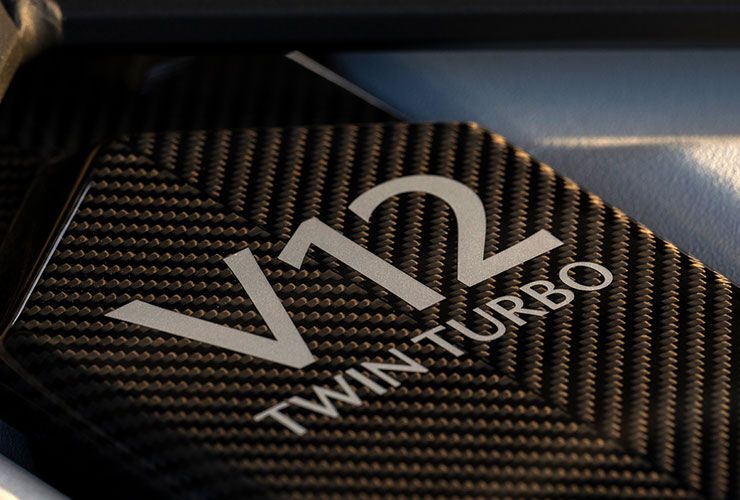
By retaining the V12 engine, Rolls-Royce protects its core brand identity and ensures that its most loyal customers are not alienated by a forced technological transition. The primary focus has entirely shifted back to delivering unmatched craftsmanship, regardless of whether the vehicle uses a charging cable or a petrol pump.