Skipped Toll Payment On National Highways? Prepare To Pay Double After 72 Hours


The Ministry of Road Transport and Highways has officially notified stringent new rules regarding unpaid toll collections across the country. Under the amended National Highways Fee Rules, motorists who fail to pay the mandated user fee while crossing a toll plaza will be hit with severe financial penalties. The central government has instituted a new digital recovery mechanism to penalize defaulters who attempt to bypass the system. If a vehicle owner fails to clear their pending toll dues within a 72-hour grace period, they will be legally required to pay exactly double the original user fee.

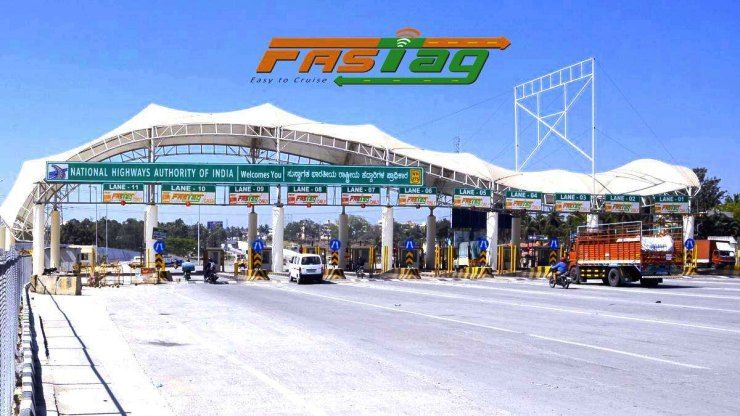
This major policy shift arrives just as the highway authority begins implementing advanced barrier-less tolling systems on major expressways. In a barrier-less setup, vehicles are not forced to stop at physical boom barriers. Instead, high-speed cameras and sensors deduct the toll amount directly from the FASTag wallet attached to the vehicle windshield. However, many users frequently cross these plazas with a faulty tag, a blacklisted tag, or insufficient wallet balance.
To combat this revenue leakage, the government has mandated a strict electronic notice system. When a vehicle crosses a plaza without completing the transaction, the national electronic toll collection system immediately flags the registration number. The registered vehicle owner will then receive a formal e-notice detailing the unpaid user fee. This digital notice will specify the exact date, time, and specific location of the plaza, along with the outstanding amount. These notices will be pushed out comprehensively through SMS, registered email addresses, official mobile applications, and a designated government web portal.

While the rules are strict, the authorities have built a brief window for genuine errors. The ministry recognizes that a payment failure might occur due to technical glitches or a temporarily depleted wallet balance. Therefore, the system provides a 72-hour grace period starting from the exact time the e-notice is issued.
If the vehicle owner acknowledges the notice and clears the pending due within this 72-hour timeframe, they will only be charged the original base toll fee without any additional financial penalty. However, once this initial window expires, the system automatically doubles the payable amount. This steep escalation is designed to act as a strong deterrent against chronic defaulters who treat toll evasion as a minor inconvenience.
The financial penalty is only the first step in the updated enforcement process. The amended rules heavily integrate the national tolling infrastructure directly with the central VAHAN database. This seamless integration ensures that defaulters cannot simply ignore the digital notices indefinitely.
If the outstanding toll amount, along with the doubled penalty, remains unpaid for more than 15 days, the system will escalate the matter. The unpaid dues will be permanently recorded against the vehicle profile in the VAHAN registry. Once this happens, local regional transport offices are authorized to block all critical vehicle-related services. Defaulters will be completely unable to renew their registration certificates or transfer the ownership of the vehicle to a new buyer until every single pending toll due is completely cleared from the system.
Interestingly, the new regulations do not just penalize the consumer; they also place a heavy burden of accountability on the toll operating agencies. Sometimes, technical errors at the plaza result in unjust notices being sent to users who actually had a valid tag and sufficient balance. Vehicle owners have the right to file an official representation against any e-notice they deem incorrect.
Under the updated framework, the tolling agency is legally mandated to examine and dispose of these consumer complaints within a strict timeline of five days. If the agency fails to resolve the complaint within this timeframe, the claim for the unpaid user fee automatically lapses. This specific clause ensures that motorists are not harassed by persistent technical errors and forces operating agencies to maintain highly accurate camera and deduction systems.