India-UK FTA Effect: Range Rover Prices Slashed By A Whopping Rs. 75 Lakh


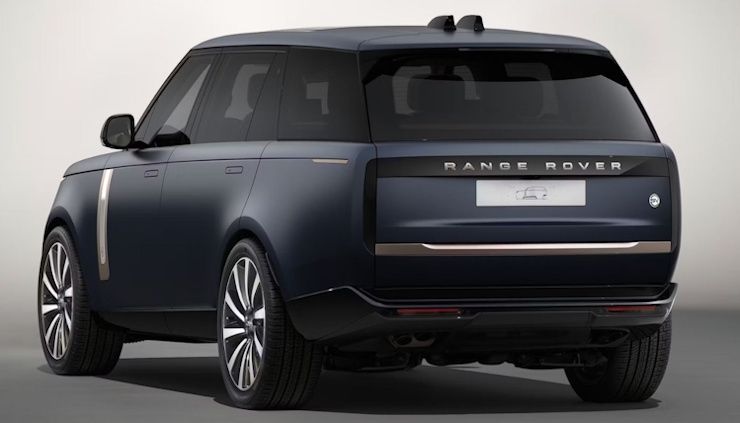
Jaguar Land Rover has cut prices on the Range Rover SV and the Range Rover Sport SV, and the scale of the reduction is impossible to ignore. The Range Rover SV now starts at Rs 3.5 crore, down from Rs 4.25 crore. The Range Rover Sport SV has dropped to Rs 2.35 crore from Rs 2.75 crore. That is a cut of Rs 75 lakh on the flagship Range Rover and Rs 40 lakh on the Sport SV.
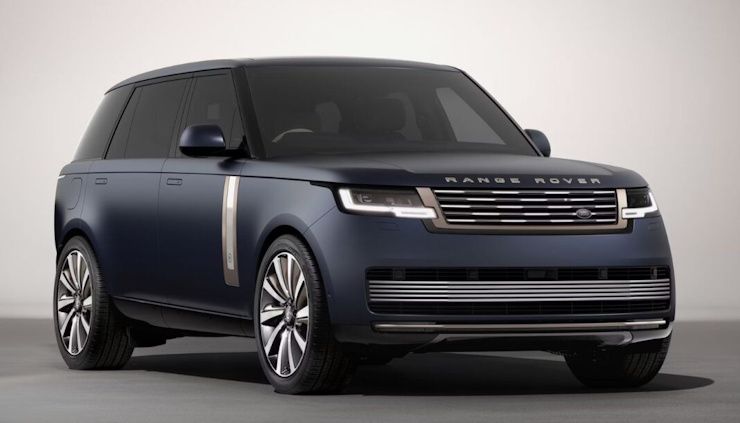
These are not routine model-year adjustments. They are strategic price corrections ahead of the India-UK free trade agreement rollout, and they reveal something important about how luxury car pricing is about to change for imported British models.
The India-UK FTA is expected to bring tariff benefits that improve the landed cost of certain imported vehicles from the UK. JLR has moved early, cutting prices before the formal rollout window translates into a broader realignment of premium imported car prices. This is a pre-emptive move, not a reactive one.

It also signals that JLR does not want buyers postponing purchases in anticipation of future duty-led price cuts. Once that expectation enters the market, the top end of the luxury segment slows down fast. Buyers with Rs 3 crore to Rs 5 crore budgets are not impulse shoppers. They can wait. By announcing the reduction now, JLR is trying to keep the order pipeline moving.
The Range Rover SV remains the brand's ultra-luxury statement SUV. It uses a 4.4-litre twin-turbo V8 petrol engine making 615 PS and 750 Nm. The Range Rover Sport SV uses the same engine in a slightly more overtly performance-focused package. Both are imported as fully built units and sit at the very top of JLR's domestic portfolio.
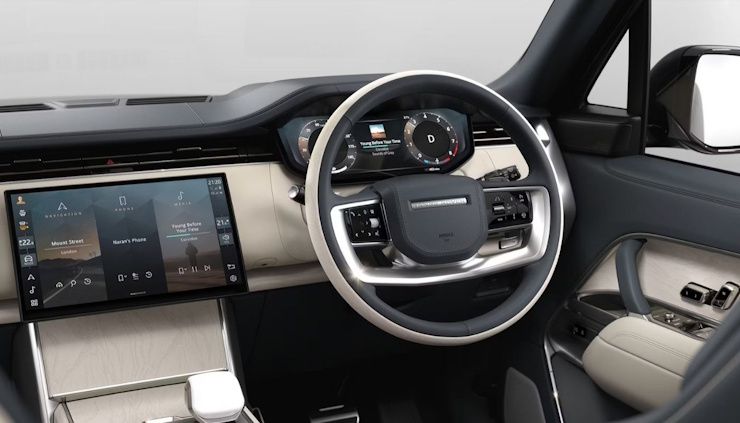
At their revised prices, they still remain expensive by any normal benchmark, but the gap to rivals has narrowed. The Range Rover SV now sits more convincingly against top-end Mercedes-Maybach GLS and certain Bentley Bentayga variants. The Sport SV, meanwhile, looks more realistically pitched against high-output Porsche Cayenne and BMW XM territory.
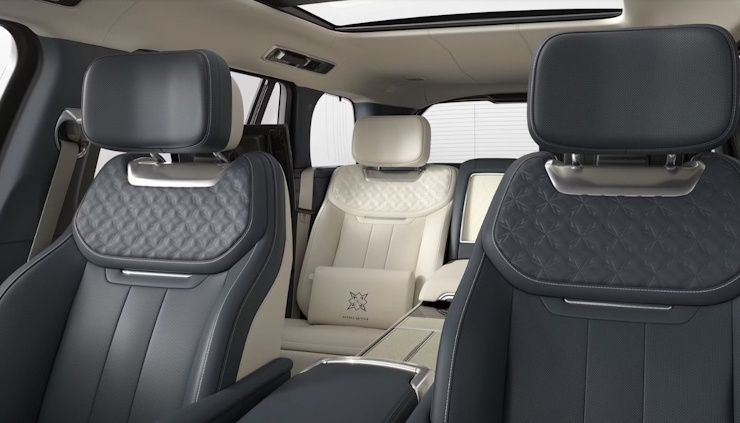
What makes this move interesting is not just that JLR cut prices. It is that the company did so on halo products, not on a volume model. That tells you where management believes price sensitivity currently sits.
At the very top end, even wealthy buyers notice a Rs 75 lakh swing. In fact, that kind of buyer notices it more sharply because they understand residuals, import duty structures, and the optics of buying just before a major tariff-driven correction.
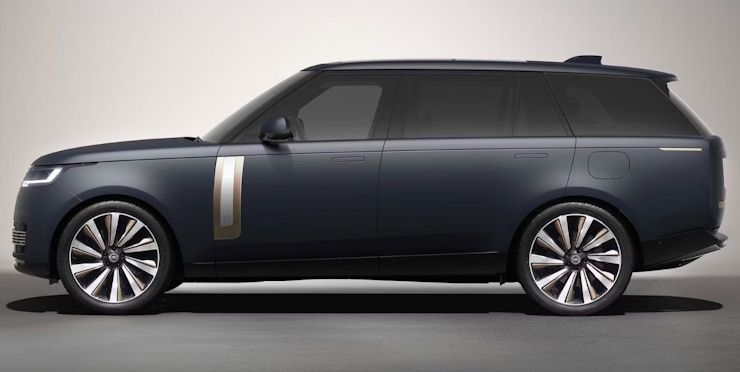
There is also a positioning angle here. JLR assembles several products locally, but the SV-badged cars remain high-visibility imports. Bringing their prices down improves value perception across the whole brand, not just for the few dozen buyers who may actually sign for an SV.
The cuts also create an awkward question for rivals. If tariff-linked pricing becomes more fluid for British imports, other luxury manufacturers will have to decide whether to hold pricing and preserve margin or respond and defend share. Either way, JLR has made the first move.