Petrol And Diesel Cabs Face Total Ban In Gurgaon


The Haryana Cabinet has approved new aggregator licensing rules that make it mandatory for cab services, delivery companies and e-commerce logistics fleets operating in NCR districts of the state to add only CNG or electric vehicles from January 1, 2026 onwards.
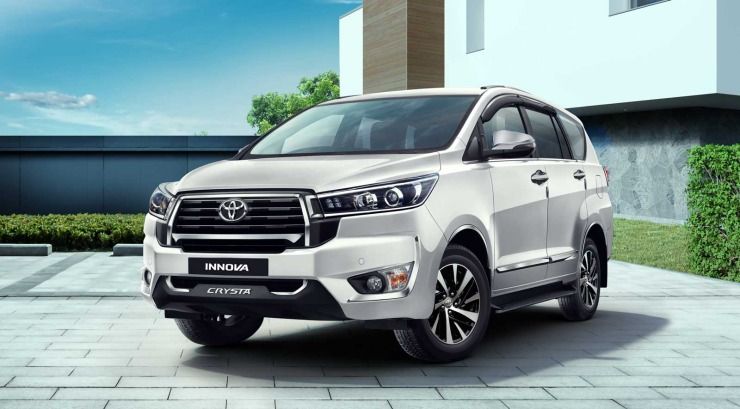
No new petrol or diesel vehicles can be inducted into these fleets in Haryana's NCR areas. The rule covers cab aggregators like Ola and Uber, last-mile delivery fleets and e-commerce companies running their own logistics. Three-wheeler auto-rickshaws added to existing fleets must also be CNG or electric.
The move follows a directive from the Commission for Air Quality Management issued in June 2025, which had set January 1, 2026 as the hard deadline for stopping fresh petrol and diesel inductions in NCR fleets. Haryana's Cabinet approval formalises the implementation on the state side, putting it on the same regulatory footing as Delhi, which has been operating under similar restrictions.
For large cab aggregators, the practical impact is felt most when fleet partners renew or replace vehicles. Drivers who own petrol or diesel cars and are currently active on these platforms are not required to switch immediately.

The ban applies to new additions, which means that over time, as older vehicles are retired and replaced, the fleet composition will shift towards CNG and EVs. The pace of that shift depends on how aggressively platforms enforce new inductions and how quickly drivers upgrade.
Delivery fleets face a sharper transition challenge. E-commerce companies have been adding large numbers of two-wheelers and small four-wheelers to handle last-mile logistics.

Every new vehicle added in Haryana NCR from January 2026 must be CNG or electric. For companies that rely heavily on petrol-powered bikes, this means either accelerating two-wheeler EV adoption or rerouting some operations to avoid the restriction, neither of which is straightforward at fleet scale.
The state government has simultaneously floated a proposal for 100 percent tax exemption on EVs, aligning with policies already in place in Delhi and Chandigarh. Currently, Haryana offers only a 20 percent concession on EV registration fees. A full exemption would meaningfully reduce the upfront cost of electric vehicles for fleet operators and private buyers, potentially accelerating the transition the clean fleet mandate is pushing for.
Beyond the fuel mandate, the Cabinet approval introduces a comprehensive regulatory framework for app-based aggregators and delivery platforms. Passenger insurance of at least 5 lakh rupees, driver health insurance of at least 5 lakh rupees and term insurance of at least 10 lakh rupees are now mandatory for all onboarded drivers.

Vehicles must carry GPS tracking devices, panic buttons, first-aid kits and fire extinguishers. Aggregators must operate 24x7 control rooms and grievance redressal channels.
Driver and vehicle details must be digitally authenticated through the VAHAN and SARATHI government portals. Registrations and licences for aggregators will be processed through the state's dedicated portal at cleanmobility.haryanatransport.gov.in.
The biggest uncertainty around this rule is enforcement. Checking whether a vehicle being newly added to a platform's fleet is CNG or electric requires co-ordination between the aggregator's onboarding systems and state transport authorities. In the absence of real-time integration, there is a risk that non-compliant additions slip through, especially in smaller delivery fleets that operate informally.

The state government also plans to procure 500 electric buses as part of its push for cleaner public transport. Taken together, the fleet mandate, the potential full EV tax exemption and the bus procurement signal a genuine push to change the fuel mix in Haryana NCR. Whether the implementation machinery can keep pace with that ambition will become clearer in the months ahead.