

I drove a Honda City for four years and loved many things about it. It was the current gen car I bought in 2021, creamy smooth, easy in town, and predictable on the highway.
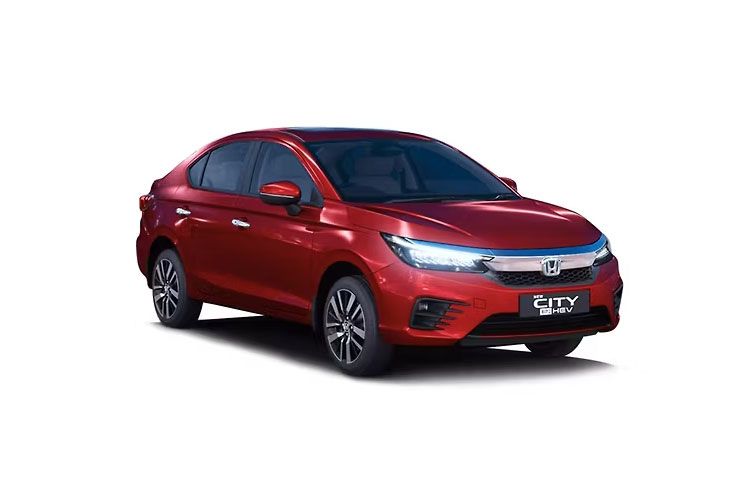
Then it got stolen. After the shock and paperwork came the bigger question.
What next. Go for the City again? Familiarity is comforting. But living with the City had also shown me its limits for my kind of use. My runs sometimes include less-than-perfect roads, tall speed breakers, and long-ish trips with family and luggage. Ground clearance was a headache.
Fully loaded, the underbody would scrape more often than I want to admit. Space also felt tricky on long drives. The seating is low and the cabin, while airy, is not the most flexible for five plus luggage over 500-kilometre days. I wanted something that felt built for distance.
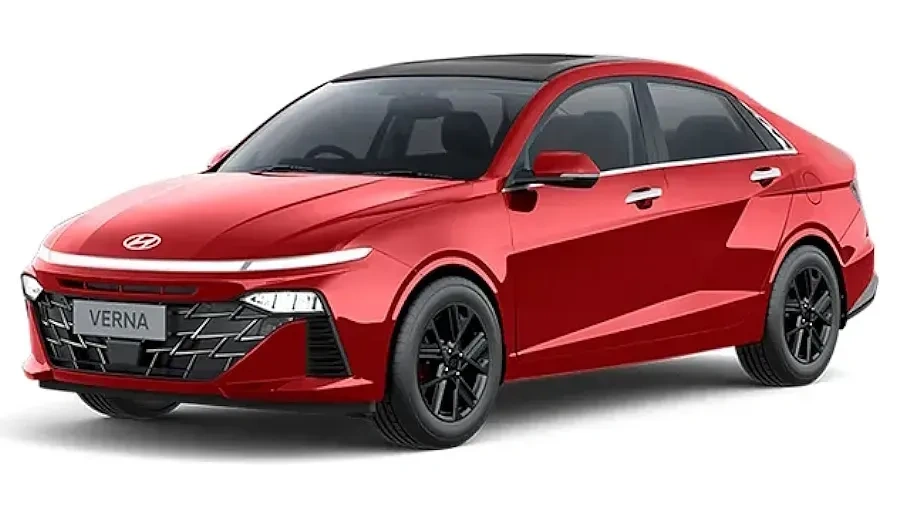
First up, the Hyundai Verna. What an engine. The turbo petrol absolutely flies and the refinement is proper premium. But the drive feel did not gel with me. It felt heavy to steer in a way that took the lightness out of everyday driving.
The interiors are loaded with tech, yet the design and materials struck me as a bit tacky. Personal taste. There is a lot of space. As a product, it is easy to recommend. As a car I would bond with, it did not click. It felt old to me in character, even though it is a fresh model. Sometimes you cannot explain it.

The Volkswagen Virtus was the opposite. I got in and within five minutes knew it was best to drive in this group. The engine and gearbox combination felt made for each other. The automatic is so smooth and alert that my City CVT felt sleepy in hindsight. Power delivery is clean, the ride is planted, and the car has proper modern vibes from the outside. Ground clearance is also better than the City in the real world, which matters in my routes. Space is decent. If I had to pick a driver’s sedan, this would be it. But a voice at the back of my head kept saying the same thing. Will this solve my long-distance family travel problem as cleanly as I want.

The Honda Elevate felt familiar right away. The driving position, the way the steering weights up, the calm nature of the engine, all gave me City muscle memory. It has adequate power, good manners, and a tight turning radius that makes life in crowded markets simple. The interiors are classy to look at and to touch.

For the price, Honda has packed in a lot of useful features. My deal breaker was space, particularly the boot. On paper it seems fine. In practice, with a stroller, two cabin trolleys, a duffel, and a few odd bags, you start playing Tetris. For my use, it was just not it.
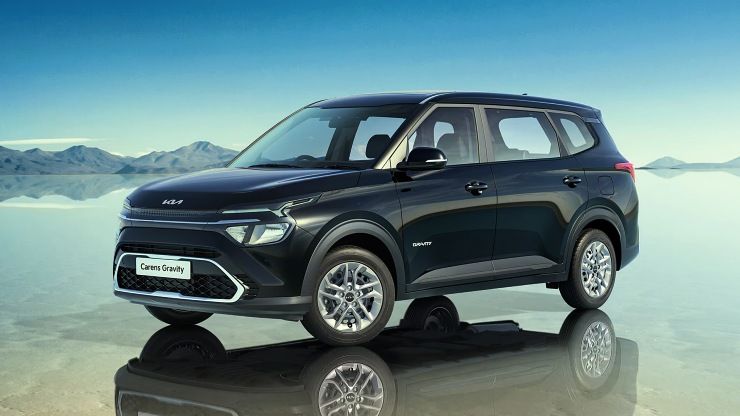
Which brings me to what I finally bought. The Kia Carens HTK+ petrol DCT, 7 seats, in silver. I know people will say I moved from a sedan to a family mover. That is exactly the point. I needed a long-distance tool that eats kilometres without eating into my back. The Carens feels heavy in a good way.
The body control inspires confidence and the suspension tuning is spot on for our roads. It rides like a bigger car, smooth and unbothered, and small ripples do not reach the cabin. The DCT is excellent. In the city it shifts unobtrusively and on the highway Sport mode wakes it up enough to make overtakes clean and quick.
I have done late night expressway runs where the car stayed very stable at high speeds. I will add the standard safety line here. I do not encourage anyone to push beyond legal limits. I am only noting that the Carens remains composed even when traffic opens up.
Design wise, I like the way it looks. Understated, clean lines, and a stance that does not pretend to be an SUV. It actually brought a smile, something only my first gen Swift had managed.
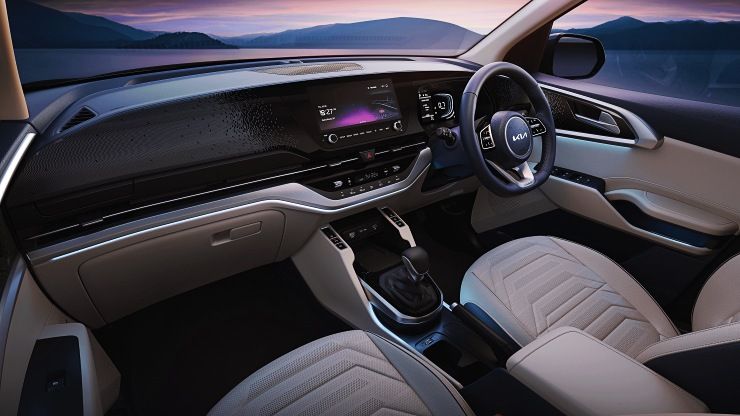
Interiors, rather materials, could be better. The layout is functional and everything is placed where it should be, but some plastics and textures could have been richer. That said, the cabin has what matters to me. Space. The second row is generous, the third row is usable for short hops or kids, and with the last row down you get a huge boot. The all-round visibility is excellent. Big glass area, upright seating, and mirrors that cover blind spots well. It makes the everyday drive pleasant and stress free.
Ground clearance is another relief. I no longer approach speed breakers diagonally in slow motion, with passengers holding their breath. The Carens clears what the City would not, and even on broken patches I do not wince. Refinement is high. Road and wind noise are well controlled at triple digit speeds, which reduces fatigue. Ride comfort is the big win. After 400 kilometres, I step out fresher than I used to in the City. That alone makes the upgrade worth it.
It is not perfect. Mileage is on the lower side compared to my old sedan. I expected that from a heavier, taller, turbo petrol automatic with seven seats. You pay for ease and ability at the pump. I also tested higher end automatics across variants and brands before signing. Many were tempting on features, screens, and sunroofs. In the end, I cut the noise and looked at my real-life use.
The Verna thrills but did not connect. The Virtus is the sweetest to drive but does not solve my packing and ground clearance headaches. The Elevate is familiar and honest but space held it back for my family template. The City is a lovely car but I had moved on from that form factor. The Carens felt like a travel partner. Heavy but powerful, relaxed yet ready to overtake in Sport, comfortable over distance, with the flexibility to carry people and things without drama.
So that is how an ex-Honda City owner ended up in a Kia Carens. Not because it is the most exciting choice on paper. Because it is the best choice for the exact drives I do, on the exact roads I face, with the exact people I travel with. And that, for me, is the whole point.