Delhi Enforces GRAP 3: BS-III Petrol And BS-IV Diesel Cars Banned


Delhi and the wider NCR have moved to Stage III of the Graded Response Action Plan after the Air Quality Index crossed 400. The restrictions took effect on November 10 and remain until air quality improves.
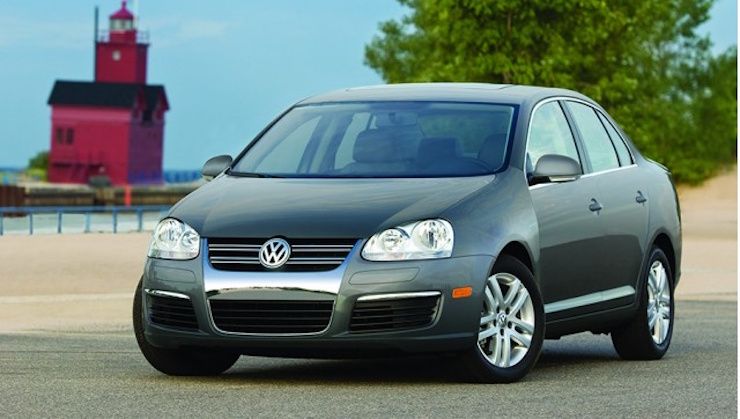
BS-III petrol and BS-IV diesel four-wheelers are not allowed to operate in Delhi and notified NCR districts during Stage III. Two-wheelers with BS-III petrol engines manufactured before 2010 fall under the same restriction. Non-essential medium and heavy goods vehicles with BS-IV diesel or older engines are barred from entering Delhi while Stage III stays in force. Penalties can go up to Rs 20,000 for violations, and an additional fine of up to Rs 10,000 applies if the vehicle does not have a valid PUC.
BS emission timelines help identify affected vehicles. BS-III applied nationwide in 2010 for petrol vehicles, while BS-IV became mandatory across India from April 2017. In practice, most petrol cars sold before 2010 and most diesel cars sold before April 2020 are the ones that will be caught by the current ban.

Only BS-VI compliant vehicles, CNG vehicles and fully electric vehicles may ply, and all must carry a valid PUC. Exemptions are limited to vehicles used by persons with disabilities and those deployed for essential or emergency services. Outside of road transport, Stage III also triggers curbs on non-essential construction and demolition activities, shuts stone crushers and pauses mining work. Industries using unapproved fuels must suspend operations. Civic agencies have been told to intensify mechanical road sweeping and water sprinkling to control dust.
Schools up to Class 5 have been advised to switch to hybrid mode if needed, though a blanket shutdown is not part of Stage III. Diesel generator sets remain restricted except for emergency and essential services under earlier GRAP triggers and continue through Stage III.
The AQI climbed from 362 at the start of the week to 421 the next morning, with several areas such as Bawana, RK Puram and Patparganj recording even higher readings. Stagnant winds and unfavourable weather conditions have trapped pollutants near the surface, which is typical for the season. The Commission for Air Quality Management escalated to Stage III to halt further deterioration.

Commuters using older cars and two-wheelers face immediate mobility issues and will need to switch to public transport, app cabs or carpooling while the curbs last. Logistics will feel the pinch as diesel medium and heavy vehicles are curtailed at city entry points, forcing fleet operators to redeploy cleaner vehicles or reroute cargo. The Delhi Metro, e-buses and ride-hailing services are expected to see higher loads, particularly at peak hours, when crowding is already common.

GRAP has four steps designed to match rising pollution levels. Stage I applies when AQI is 201 to 300 and focuses on cleaning and enforcement. Stage II, at 301 to 400, adds higher parking fees and wider checks at construction sites while restricting diesel generators.
Stage III begins once AQI crosses 401. It brings the current vehicle bans, stops non-essential construction and limits industrial activity using dirty fuels. Stage IV, used when AQI exceeds 450, is the most severe and can halt non-essential industry, ban most truck entry and shift offices and schools to remote mode.
Stage III is a temporary measure. Authorities will roll it back to Stage II or Stage I only after sustained improvement. Based on past winters, the duration can be one to two weeks, but the exact timeline depends on weather, emissions from local sources and upwind conditions.
If your vehicle is BS-III petrol or BS-IV diesel, keep it off the road until Stage III is lifted to avoid fines. Ensure your PUC is valid even if your vehicle is otherwise compliant, since checks have been stepped up across the NCR borders and inside the city.
For essential travel, use BS-VI, CNG or electric vehicles, or shift to public transport and shared mobility where practical. The restrictions are citywide and apply across notified NCR districts, so plan commutes, school runs and deliveries with extra time in hand until air quality stabilises.