NCLT Admits Insolvency Case Against Blu-Smart Mobility


The National Company Law Tribunal admitted Blu-Smart Mobility Tech into insolvency proceedings on October 14 over unpaid dues of 5.84 crore rupees owed to Lepton Software Export and Research. The Ahmedabad bench appointed Pawan Kumar Goyal as interim resolution professional and suspended the company's board, placing all assets under court protection through a moratorium imposed under the Insolvency and Bankruptcy Code.
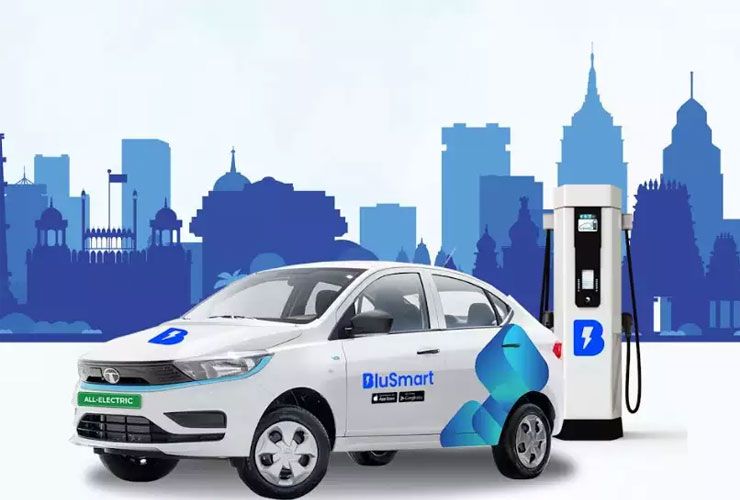
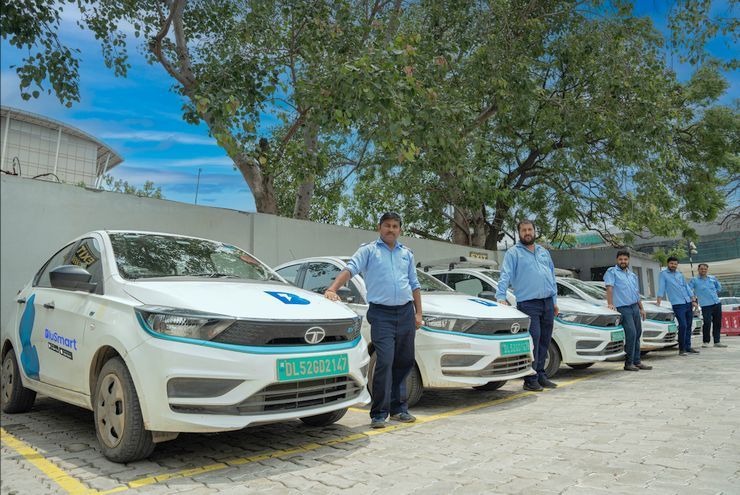
The order marks the latest collapse in a troubled electric ride-hailing group that once operated 8,000 vehicles across Delhi-NCR, Bengaluru and Mumbai.
Lepton Software sells Google Maps Platform services under licence from Google Asia Pacific and provided location services to Blu-Smart for routing and navigation under an agreement running through September 2024. The contract was initially signed for October 1, 2022 through September 2023, then renewed for another year until September 30, 2024. Lepton claimed services continued on an ad-hoc basis beyond the renewal period, which Blu-Smart acknowledged through email communications dated April 3, April 7 and April 15, 2025.

The operational creditor submitted that services were governed by Google's Terms of Service and invoices pertaining to the entire financial year 2025 remained unpaid. Blu-Smart Mobility denied any operational debt existed and contended the petition was misconceived and an abuse of process. The company argued the renewal expired on September 30, 2024 and Lepton raised bills after that date without an acceptance or completion certificate. According to Blu-Smart, post-expiry invoices do not constitute operational debt under insolvency law.
The tribunal rejected this defence. A two-member bench comprising judicial member Shammi Khan and technical member Sanjeev Sharma noted Blu-Smart did not dispute pre-expiry invoices up to September 2024 and had acknowledged partial liability.
Even assuming only pre-expiry dues are considered, the admitted outstanding of 30,34,764.50 rupees is supplemented by post-expiry claims, the NCLT said. Material on record including emails from the corporate debtor demonstrate continued usage of services without objection, requests for invoices and admissions of liability.
The ruling stated there is an operational debt which has been defaulted by Blu-Smart Mobility, and its operational creditor is entitled to recover it. The respondent corporate debtor Blu-Smart Mobility is admitted in the Corporate Insolvency Resolution process under section 9(5) of the code, the order read. The moratorium protects Blu-Smart from legal proceedings and enforcement actions by creditors whilst the interim resolution professional assesses the company's financial position and explores restructuring options.
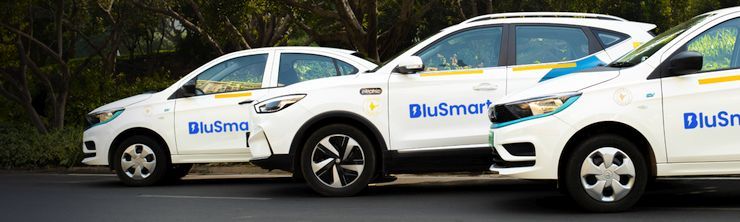
Blu-Smart Mobility Tech is one of four subsidiaries under Blu-Smart Mobility Ltd, which itself entered insolvency proceedings in July 2025 following a petition by Catalyst Trusteeship over defaulted dues of approximately 1.28 crore rupees. The parent company holds a 99.99 per cent stake in each subsidiary, creating a tightly integrated corporate structure where financial distress at one entity rapidly spreads through the group. The resolution professional is seeking to consolidate control across all entities to preserve value through collective restructuring rather than fragmented proceedings.
The parent company's troubles deepened after the Securities and Exchange Board of India issued an interim order against Gensol Engineering, whose promoters Anmol Singh Jaggi and Puneet Singh Jaggi co-founded Blu-Smart.
The regulator alleged the brothers diverted loans taken by Gensol Engineering for electric vehicle purchases to buy luxury apartments in Gurgaon, inflate Gensol's stock price and fund personal ventures. The order also accused them of forging no-default letters from lenders including Indian Renewable Energy Development Agency and Power Finance Corporation to falsely claim the company was not in default.
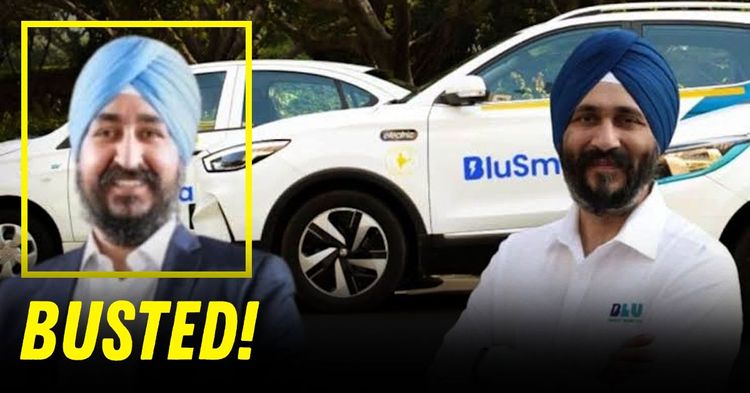
Gensol Engineering and its subsidiary Gensol EV Lease entered insolvency earlier in 2025 after IREDA filed petitions for defaults of 510.10 crore rupees and 218.95 crore rupees respectively. Cross-default provisions linked the entities, which had availed term loans for electric vehicle leasing and infrastructure. Personal guarantees by the Jaggi brothers and corporate guarantees from Gensol Engineering were invoked. By late 2024, Gensol had defaulted on loans worth 470 crore rupees from IREDA, with credit agencies CARE and ICRA downgrading its ratings to default whilst citing non-disclosures of key financials.
Blu-Smart defaulted on a 30 crore rupee bond payment in early February 2025 due to cash crunch. The company eventually repaid the amount, but the event triggered a cross-default situation that forced meetings with debenture holders to reassure them about future operations. The company attempted to sell nearly 3,000 electric vehicles to Refex Green Mobility to pare down debt, but Refex backed out of the deal in September 2025, sending both Gensol and Blu-Smart into a deeper spiral.
The operational fallout proved immediate. Blu-Smart suspended booking services across Delhi-NCR, Bengaluru and Mumbai in April 2025, leaving users stranded and triggering a wave of complaints about booking cancellations and difficulty obtaining refunds for pre-loaded Blu Wallet balances. The company sent emails to customers stating it had decided to temporarily close bookings on the app without giving reasons. Users encountered messages stating no slots available when attempting to book rides from key locations including Delhi Airport and parts of Gurgaon.
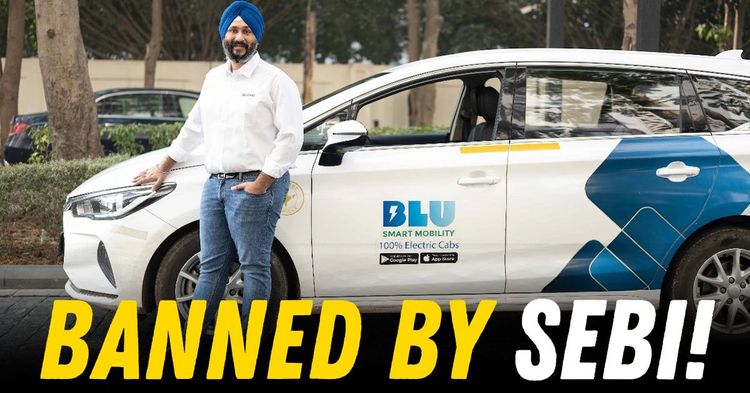
The service disruption came as Blu-Smart transitioned its fleet to Uber's platform, marking a strategic shift away from direct ride-hailing operations. The company previously facilitated 25,000 to 30,000 daily rides at peak operations, but had already cut volumes in half before the latest suspensions took effect. The integration of its electric vehicle fleet into Uber's network appears to be a survival strategy amid ongoing scrutiny and financial instability, though the full extent of the transition remains unclear.
Until recently, Blu-Smart positioned itself as a moral alternative to Ola and Uber, ticking every green future box including government incentives, ESG investor backing and sustainability press coverage. The company was not just competing on price and convenience but offering an environmentally conscious choice backed by comprehensive charging infrastructure. The collapse casts doubt over governance practices and whether investor funds moved between Gensol and Blu-Smart in ways that were not fully disclosed.
The insolvency admission means Pawan Kumar Goyal takes full charge of Blu-Smart Mobility Tech's assets and documents whilst the resolution process unfolds. The interim resolution professional will prepare an information memorandum and invite resolution plans from potential buyers or restructuring proposals from financial investors. The process typically runs 180 days with possible extension to 270 days, after which the company either emerges under new ownership, accepts a revival plan, or proceeds to liquidation if no viable resolution materialises.
Creditors will form a committee to evaluate proposals and vote on the resolution plan that maximises asset value whilst providing the fairest treatment across stakeholder classes. Operational creditors like Lepton Software participate in the process but lack voting rights, which are reserved for financial creditors holding secured debt. The hierarchy under insolvency law prioritises financial creditors over operational vendors, potentially leaving suppliers like Lepton facing substantial haircuts even if a resolution succeeds.
The NCLT's decision reinforces that defaulters cannot take shelter under vague grounds of temporary financial difficulties or minor technical defaults that were later fixed, according to legal experts. The tribunal found sufficient evidence of operational debt and continued service usage to justify admitting the petition despite Blu-Smart's objections about contract expiry dates. The ruling underscores that acknowledgement of liability through communications can establish debt even when formal invoicing procedures remain disputed.